
 Creosote Buildup | SFS" loading="eager" / fetchpriority="high" decoding="async">
Cold-Snap Creosote Buildup | SFS
Space Fireplace Services — DFW chimney & fireplace specialists. Free inspection, written quote, no surprise fees.
Cold-Snap Creosote Buildup
For homeowners, designers, and Trade Pro members working with us on a current or future fireplace project, cold-snap creosote buildup is a routine seasonal scope we handle alongside the install and showroom work. Our team coordinates inspection, documentation, and any follow-up work through a single point of contact. Trade Pro members receive priority scheduling. The notes below cover what to expect, what to plan for, and how to book the work into your calendar.
Why This Matters Now
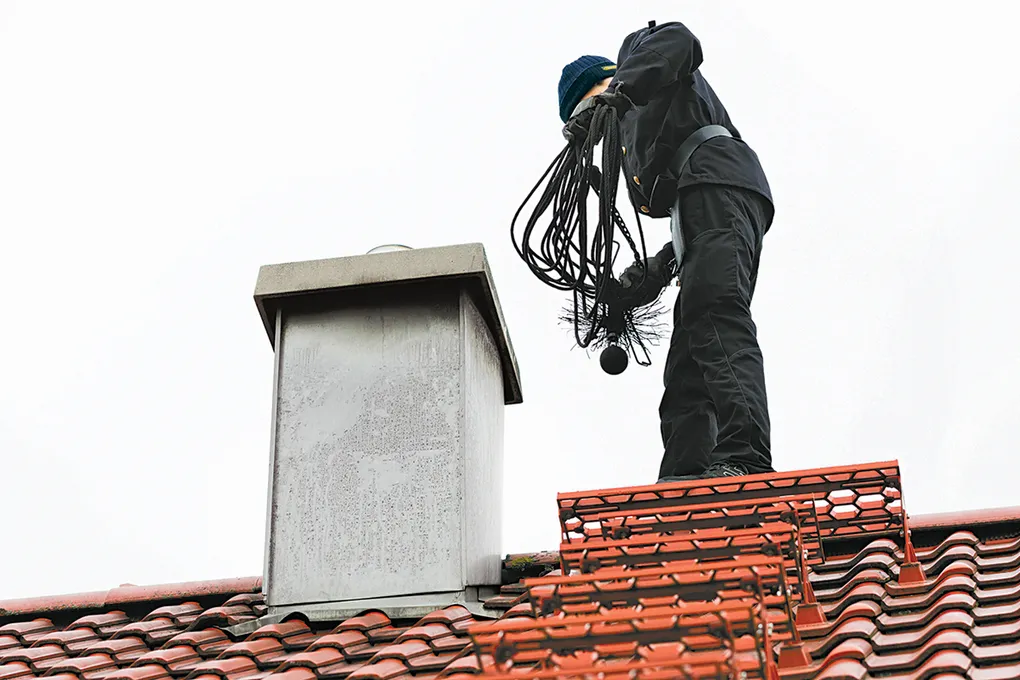
DFW cold snaps drive concentrated burning — when a Texan turns on the fireplace, it stays on. The result is rapid creosote accumulation, especially in flues that have not been swept in over 12 months. NFPA 211 defines Stage 1 (light dust), Stage 2 (flaky deposits), and Stage 3 (glazed, hardened tar) creosote, and Stage 3 is a documented chimney fire ignition risk. Cold snaps in late December and January are the moments creosote climbs from Stage 1 to Stage 3 the fastest.
The cost of waiting is rarely visible at the moment the homeowner decides to delay. What is visible is the next bill — emergency rates, after-hours dispatch, parts ordered overnight, mortar cured under non-ideal conditions. The cost is also reputational. A reputable chimney professional turns down rush jobs in peak season because the work cannot be completed to standard, which means the homeowner ends up working with whoever has open capacity. That tradeoff is the one we ask homeowners to think through. Booking the recommended scope on the recommended timeline is the path that consistently delivers the best work at the lowest total cost.
The Checklist
- [ ] Verify last sweep date — over 12 months requires immediate sweep
- [ ] Schedule a Level 1 inspection if heavy daily burns are planned
- [ ] Burn only seasoned hardwood — green or wet wood accelerates creosote formation
- [ ] Avoid burning resinous softwood (pine, cedar) as primary fuel
- [ ] Run a hot, fast fire rather than a slow smolder — slow burns deposit more creosote
- [ ] Listen for the chimney during burning — popping, hissing, or crackling beyond normal can indicate creosote ignition
- [ ] Look for visible flames at the chimney top — this is a chimney fire in progress
- [ ] Schedule mid-season sweep if burning daily for more than 30 consecutive days
- [ ] Replace mesh and cap if soot is bypassing the spark arrest
- [ ] Document creosote accumulation rate for next-year planning
DFW-Specific Timing
Immediately during a cold snap if last sweep was over 12 months ago. After the cold snap, schedule a follow-up sweep in early spring.
The DFW seasonal calendar runs August-October for fall pre-season booking, November-December for active burn season, January-March for cold-snap response, April-June for spring inspection and structural repair, and July-August for hail and storm response. Booking against this calendar is the difference between a planned line-item visit and an emergency dispatch at premium rates. Our scheduling team holds capacity for established clients and prioritizes those visits ahead of new-client demand surges.
Why DFW is Different
DFW chimney work has three environmental factors that most national guidance does not account for. First, the Blackland Prairie clay subsoil swells roughly 30% with water content, which puts cyclical mechanical stress on chimney foundations and exterior masonry through every wet-dry cycle. Second, North Dallas runs 25-35 freeze-thaw cycles per year — the chimney crown sees roughly double that count because it sits horizontal and absorbs the thermal swing more aggressively than vertical surfaces. Third, the region averages 5-8 hail events per year, with major storm seasons (June 2023 and June 2025 each producing $7-10 billion in insured losses) hitting chimney caps and crowns disproportionately. A scope written for the national average will under-spec for DFW conditions; our scopes are written for the local environment.
What to Expect from SFS
At SFS, the cold-snap creosote buildup flow runs through our service desk. Inspection is scheduled within 5-7 business days, work is documented for the homeowner and (if applicable) the designer of record, and any follow-up specifications are pulled from showroom inventory or quoted to order. Trade Pro members receive 15% discount and priority scheduling on this scope. We sequence the work against the broader project timeline our designers and builders manage.
For this specific scope, our technician arrives with the inspection equipment required for the visit, completes the documented checklist above, and delivers the report in writing within one business day. Where follow-up scope is identified, we present pricing in writing and schedule against the homeowner’s calendar. Documentation is delivered as PDF with embedded photos for permanent record. Insurance documentation is filed by the homeowner directly; we provide the photographic and written evidence the carrier will request.
Common Mistakes Homeowners Make
The most common mistake is waiting too long. The second is hiring an unqualified contractor in peak season because the qualified contractors are booked. The third is skipping the documentation step, which creates problems at insurance time, at sale time, and at the next service interval. A documented chimney has a service history; an undocumented chimney has a guess. The fourth mistake is ignoring the chimney exterior — caps, crowns, chase tops, and flashing — because the interior firebox seems to be working fine. The exterior is where the water enters and where the structural deterioration begins. The fifth is burning the wrong fuel: green wood, resinous softwood, paper, decorations, or construction scrap. Each of these accelerates creosote, damages the firebox, and compromises draft. We address all five in the standard scope.
A Recent DFW Case
A McKinney homeowner called us January 12 during a 5-day cold snap. The fireplace had been running 8+ hours per day for the prior week. We pulled 4.5 pounds of Stage 2-going-on-Stage-3 creosote on the spot. The homeowner had not swept the chimney in 18 months. We completed the sweep in 90 minutes and recommended an early-spring follow-up. The next major cold snap, in February, the chimney burned clean.
The lesson from the case is consistent across the seasons: scope, schedule, and document. The work itself is rarely complicated; the timing and the paper trail are what determine outcome. A homeowner who books the right scope on the right calendar and keeps the documentation file current is a homeowner who gets predictable results year after year. Our role is to make that easy — to schedule the work, to do it well, and to file the report.
Frequently Asked Questions
How quickly can you complete cold-snap creosote buildup for my home?We schedule the initial visit within 5-7 business days. Trade Pro members receive priority scheduling within 3-5 business days.
Do I need cold-snap creosote buildup every year?NFPA 211 recommends an annual chimney inspection at minimum. Cold-Snap Creosote Buildup timing follows the seasonal calendar — book during the recommended window above for best scheduling and pricing. CSIA also recommends annual inspection regardless of usage frequency.
What does cold-snap creosote buildup cost?Standard seasonal inspection pricing runs $185-$-+. Trade Pro members receive 15% discount.
What if you find a problem during cold-snap creosote buildup?We document the finding for the homeowner and, where applicable, the designer of record. A written quote is delivered within 48 hours.
How do I prepare my home for the visit?Clear a 5-foot working radius around the firebox, secure pets in another room, and have the gas key valve location identified if applicable. The technician will need access to the roof if exterior inspection is included. We confirm the visit window the morning of.
Book This Service
Schedule a consultation: ☎ 817-635-6260 or visit our Plano showroom. Trade Pro members can call directly for priority scheduling.
Our Sister Companies — Specialists in Related Services
Texas Service Experts is part of a network of CSIA-certified chimney specialists. Depending on your specific need:
- Texas Service Experts — general chimney sweep/inspection
- Texas Chimney Experts — chimney repair/masonry